
The NIC fine: what it is and how to avoid paying it twice in your fleet
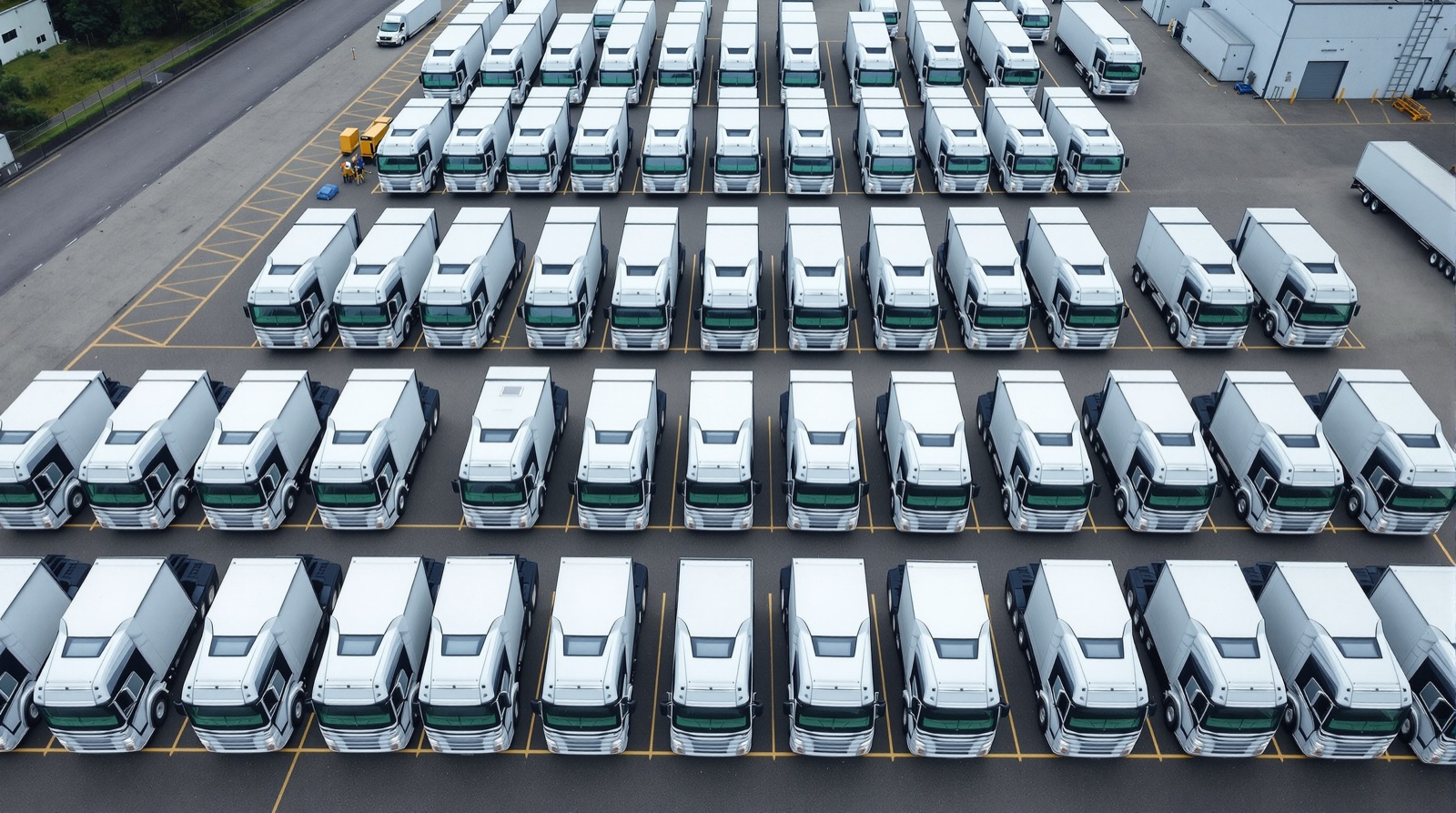
For anyone managing a fleet, the most expensive fine is rarely the infraction itself — it is the one that doubles in value for missing a deadline. It has a name: the NIC fine. And, combined with losing the early-payment discount, it becomes one of the biggest silent cash leaks in the operation.
What is the NIC fine
NIC stands for "Failure to Identify the Driver" (Não Indicação de Condutor). When a company vehicle is ticketed, the legal entity must identify, within the deadline, which driver was behind the wheel at the moment of the infraction. If it fails to do so, the fine is charged to the company again — in practice, it pays twice — and the demerit points stay on the company’s tax ID instead of going to whoever committed the infraction.
Why this costs so much
More than 60% of fleet fines do not reach the manager in time. Without visibility, the deadline to identify the driver passes, the fine doubles and the 20% early-payment discount is lost. Multiply that by dozens or hundreds of plates, month after month, and the amount stops being an operational detail and becomes a significant line of expense.
The deadline is what matters
Everything revolves around spotting the infraction early. The sooner the ticket appears, the more time the company has to identify the driver within the legal deadline, issue the payment slip and, where there are grounds, appeal. The problem is that relying on paper arriving by mail practically guarantees a delay.
How to protect the tax ID and the cash flow
The solution is to bring fines out of the dark. Gestor de Multas monitors fleet infractions across the entire country in real time, organizes the driver identification within the NIC deadline, issues the payment slips and consolidates vehicle tax and licensing in a single dashboard, plate by plate. This way, the company avoids paying twice, preserves the discount and provisions cash before the due date.
In the end, managing fines well is less about paying and more about deadlines and visibility — it is what separates the fleet that gets caught off guard from the one that controls every plate.
← Back to Blog