
End-to-end cargo tracking: from the port to delivery
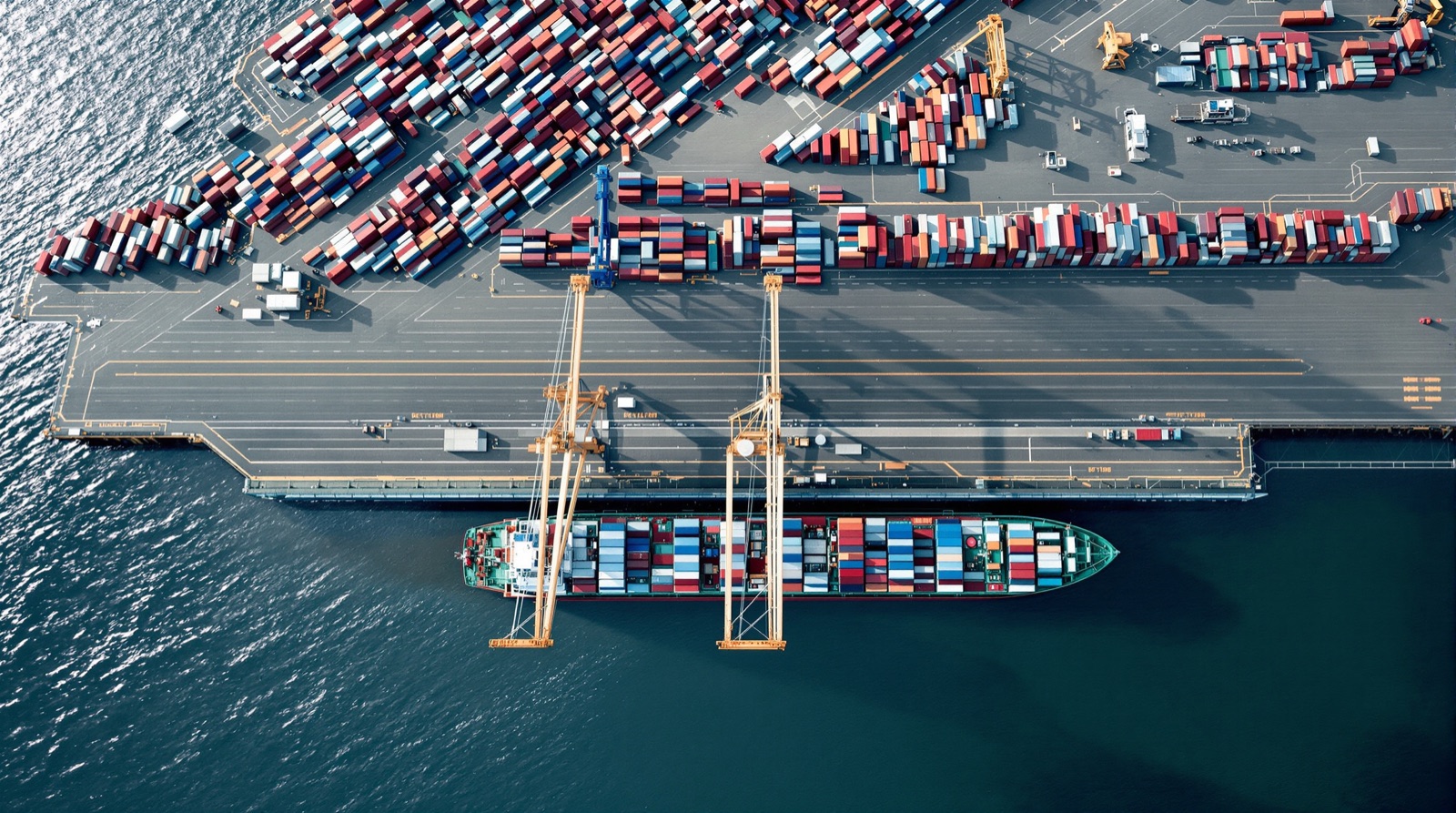
Cargo that drops off the radar between one stage and another is cargo at risk — and a customer left without answers. End-to-end tracking exists so the goods are never invisible, from loading to delivery.
What is end-to-end tracking
It is the ability to follow the cargo at every stage of the journey — not only on the road leg, but from the port or the airport, through warehousing, to the final delivery. Instead of visibility in fragments, a single, continuous view of the goods.
Why this matters
Visibility is control. When the operation sees the cargo in real time, it reacts faster to diversions and theft attempts, anticipates delays before they become complaints and can inform the customer accurately. What you cannot see, you cannot manage.
From the port and the airport to delivery
Real operations are multimodal: the cargo arrives by ship or plane, passes through terminals and warehouses and continues by truck to its destination. End-to-end tracking connects these links into a single flow, so the transition between modes is not a blind spot.
The data that tracking generates
Following the cargo also generates intelligence: estimated time of arrival (ETA), history of diversions, time spent at each stage and performance indicators by route and carrier. This data feeds better decisions on the next trip, not just the current one.
How to achieve full visibility
The Club Cargo ecosystem monitors and tracks cargo end to end — from the port and the airport to delivery — bringing location, route and status together in one place, with security and productivity from start to finish of the logistics process.
Tracking end to end means no longer hoping the cargo arrives and instead knowing, at every moment, exactly where it is.
← Back to Blog